

How to Avoid DPF Problems
20/05/2026 00:00:00- 1. Understand How the DPF Works
- 2. Avoid Frequent Short Trips
- 3. Drive at the Right RPMs and Speed
- 4. Use the Correct Engine Oil
- 5. Keep the EGR and Turbo in Good Shape
- 6. Don’t Ignore DPF Warning Lights
- 7. Avoid Cheap Fuel and Additives
- 8. Get Regular Diagnostics
- 9. Consider a Manual or Forced Regeneration (When Needed)
- 10. Think Before You Delete the DPF
- In Summary: Key Tips to Avoid DPF Problems
- Final Thoughts
20/05/2026 00:00:00How to Avoid DPF ProblemsBluedrop Services
The Diesel Particulate Filter (DPF) is a crucial component in modern diesel engines, designed to trap and reduce harmful emissions by capturing soot and ash from the exhaust. While DPFs help keep the environment cleaner, they can also be a source of frustration and expensive repairs if not properly maintained.
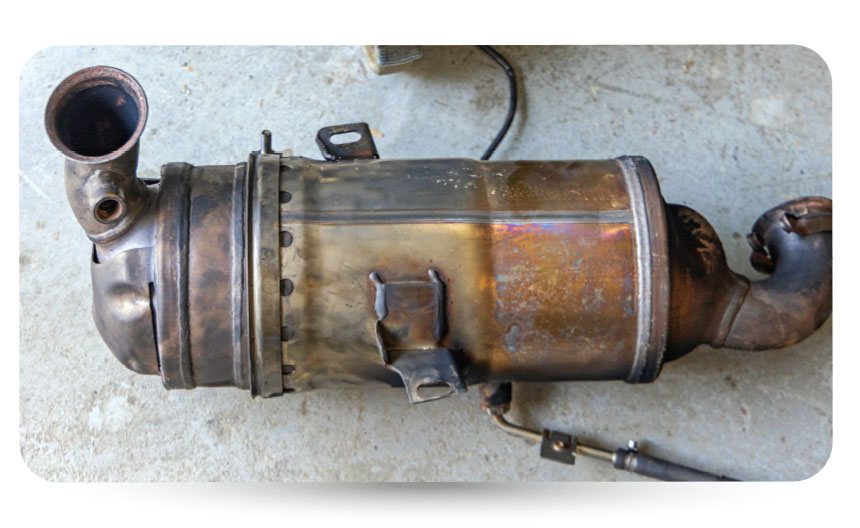
Fortunately, most DPF problems are preventable. With a few mindful driving habits and basic maintenance tips, you can keep your DPF healthy and avoid breakdowns. Here’s how:
1. Understand How the DPF Works
Before diving into prevention, it's helpful to understand that the DPF is designed to trap soot and then burn it off during a process called "regeneration." This process requires high exhaust temperatures, usually achieved during long, steady drives.
There are two main types of regeneration:
- Passive Regeneration: Happens naturally at highway speeds when exhaust temperatures are high enough.
- Active Regeneration: Triggered by the engine management system when soot levels are high; the vehicle adjusts fuel injection to raise exhaust temperature.
If regeneration doesn’t occur regularly, the DPF can clog leading to reduced performance, warning lights, and even engine shutdowns.
2. Avoid Frequent Short Trips
Short trips at low speeds don’t allow the exhaust to get hot enough for regeneration. Over time, this leads to soot buildup and DPF blockages.
Tips:
- Combine errands to drive longer distances.
- Take your vehicle on a longer run (at least 20–30 minutes on the highway) once a week if most of your driving is in town.
3. Drive at the Right RPMs and Speed
To enable regeneration:
- Maintain speeds over 40–50 mph (60–80 km/h).
- Keep RPMs around 2,000–2,500 for 15–30 minutes during highway driving.
- Avoid excessive idling.
Some vehicles display a warning or request for a regeneration drive don’t ignore these prompts.
4. Use the Correct Engine Oil
Always use low-ash, C1–C4 grade engine oils (as specified by your vehicle manufacturer). High-ash oils can lead to quicker buildup in the DPF.
Check your manual for the correct ACEA specification (e.g., ACEA C3).
5. Keep the EGR and Turbo in Good Shape
Faulty components like the Exhaust Gas Recirculation (EGR) valve or turbocharger can lead to excessive soot production overwhelming the DPF.
Have your EGR, injectors, and turbo system checked regularly, especially if you notice:
- Increased smoke
- Loss of power
- Warning lights
6. Don’t Ignore DPF Warning Lights
If your DPF warning light comes on:
- Act quickly. Drive at highway speed for 20–30 minutes to try to trigger regeneration.
- If the light stays on or turns red, seek professional help immediately. Ignoring it can lead to limp mode, or worse, a costly DPF replacement.
7. Avoid Cheap Fuel and Additives
Low-quality diesel may produce more soot and damage your fuel system. Stick to reputable fuel brands and avoid unapproved DPF cleaning additives unless advised by your mechanic.
Some professional-grade DPF cleaners are safe and effective, but always research or ask your service technician before using them.
8. Get Regular Diagnostics
A simple OBD scan can show the current DPF soot levels and regeneration status. Doing this during routine maintenance helps catch problems early before a full blockage occurs.
9. Consider a Manual or Forced Regeneration (When Needed)
If your DPF is partially blocked and won't regenerate on its own, a mechanic can perform:
- Manual regeneration (drive cycle)
- Forced regeneration (garage procedure using diagnostic tools)
This burns off excess soot and may save your DPF from replacement.
10. Think Before You Delete the DPF
Some drivers consider DPF removal for performance or convenience. Be aware:
- It’s illegal in many countries and can void your warranty or insurance.
- You’ll fail emissions tests.
- It contributes to environmental harm.
A well-maintained DPF is not only cleaner it’s also more cost-effective long-term.
In Summary: Key Tips to Avoid DPF Problems
Tip
Action
Drive long distances
At least once a week at highway speeds
Use proper oil
Low-SAPS oil (ACEA C3, etc.)
Maintain engine systems
EGR, turbo, injectors
Respond to warnings
Don’t ignore the DPF light
Regular checks
OBD diagnostics and soot level monitoring
Final Thoughts
Your vehicle’s DPF doesn’t have to be a problem. With the right driving habits and a little attention, you can extend the life of your DPF, avoid expensive repairs, and help the environment all at the same time.
Preventative care is far cheaper than a replacement. Keep your DPF happy, and it’ll return the favour with smooth, efficient performance.
Return to blog menuWant to find out more about Bluedrop's Fleet Insurance?
Call our friendly team now for the right insurance cover - at the best price
+441489780491
Calls recorded for training and quality.
 Privacy and Cookie Policy