

Euro 7 Emissions Standard – what fleet managers need to know
09/03/2026 00:00:0009/03/2026 00:00:00Euro 7 Emissions Standard â what fleet managers need to knowBluedrop Services
Environmental regulation is rapidly reshaping the automotive industry, and the Euro 7 emission standards represent the next major shift. These new rules aim to further reduce vehicle emissions of harmful pollutants, improve public health, and support Europe’s climate goals.
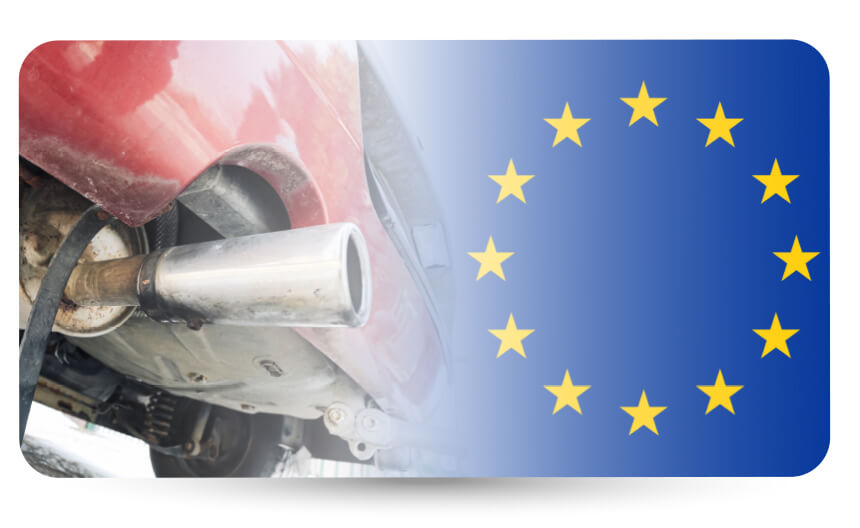
But what exactly are Euro 7 standards? How do they differ from Euro 6? When will they take effect? And critically - what do fleet owners need to know to prepare?
Here’s your practical guide.
What Are Euro 7 Emission Standards?
Euro 7 is the latest set of European Union (EU) regulations controlling pollutant emissions from vehicles. It builds on the existing Euro 6 rules, tightening limits on harmful gases and particulates emitted by cars, vans, buses, and trucks.
Unlike CO2 targets (which address climate change), Euro standards focus on air quality pollutants that directly harm human health, such as:
- Nitrogen oxides (NOx)
- Carbon monoxide (CO)
- Hydrocarbons (HC)
- Particulate matter (PM), including ultrafine particles
- Ammonia (NH3)
Euro 7 is designed to cut these emissions further, especially in real-world driving conditions, including extreme temperatures, short trips, and stop-start urban driving.
Key Differences: Euro 6 vs Euro 7 Emissions Standard
Here’s how Euro 7 goes beyond Euro 6:
Tighter limits:
- Stricter caps on NOx, especially for heavy-duty vehicles.
- Limits on ultrafine particles from brakes and tyres (a world first).
Broader testing conditions:
- Emissions compliance required across a wider range of temperatures and driving styles.
- Real Driving Emissions (RDE) testing to ensure on-road performance matches lab results.
Lifetime durability:
Manufacturers must prove low emissions over longer mileage (e.g. 200,000 km for cars, double the Euro 6 requirement).
Brake and tyre pollution:
New limits on non-exhaust emissions from wear particles - a major source of urban air pollution.
Electrified vehicles included:
Even EVs and hybrids will need to meet brake/tyre particulate limits.
In short, Euro 7 is not just “tighter limits on exhaust” but a holistic approach to reducing all forms of vehicle pollution.
When will Euro 7 Be Enforced?
After extensive negotiation and revision, the EU formally adopted the Euro 7 regulation in 2024. However, industry lobbying led to a phased, relatively modest implementation timeline:
- Mid-2026: New car and van models must comply with Euro 7 standards
- Mid-2027: All new cars and vans sold must meet Euro 7 requirements
- Mid-2027: New lorry and bus models must comply
- Mid-2029: All new lorries and buses sold must meet Euro 7 standards
This longer lead time aims to give manufacturers time to adjust designs and production plans, while balancing costs and competitiveness. Any vehicles procurement decisions made now should account for these upcoming regulations.
How Will Euro 7 Emissions Standard Affect Fleet Managers?
For fleet managers and owners, Euro 7 means change is coming though not overnight.
Here’s what to expect:
Vehicle availability and cost
- New Euro 7-compliant models will arrive closer to 2027–2028.
- ICE vehicles will become more expensive to produce (and buy) as manufacturers add advanced emissions controls.
- Many OEMs may retire small, low-margin petrol/diesel models rather than upgrade them.
Shift to electrification
- Manufacturers see Euro 7 as another reason to accelerate EV rollouts.
- Fleets may find fewer ICE options and better incentives to go electric.
Residual value impacts
- Older Euro 6 (and earlier) diesel and petrol vehicles may face lower resale values as buyers prefer cleaner, compliant models.
- Urban low-emission zones (LEZs) and zero-emission zones (ZEZs) could impose higher charges or outright bans on older vehicles.
Operational considerations
- Fleet buyers will need to plan ahead for ordering Euro 7-compliant models, which may have long lead times.
- Compliance will be important for contracts with environmental requirements or city-based work.
- Even electric fleets will need to consider tyre and brake particulate emissions in sustainability strategies.
Practical Advice on Euro 7 Emissions Standard for Fleet Owners
- Audit your fleet. Know how many vehicles are Euro 5, Euro 6, hybrid, or EV.
- Plan replacements early: Expect delays as manufacturers transition to Euro 7 production.
- Factor in TCO: Euro 7 vehicles may cost more upfront, but older ICE models could face rising fees or bans.
- Consider EV transition: With tightening emissions rules, electrification will only get more attractive.
- Talk to suppliers: Stay up-to-date on new Euro 7 models, production timelines, and financing options.
Final thoughts
Euro 7 represents the EU’s most ambitious attempt yet to clean up vehicle pollution. Though it doesn’t take full effect until 2027 for light vehicles, fleet owners should start planning now.
By understanding what’s changing and acting early fleet managers can reduce costs, avoid disruption, and demonstrate leadership on sustainability.
Return to blog menuWant to find out more about Bluedrop's Fleet Insurance?
Call our friendly team now for the right insurance cover - at the best price
+441489780491
Calls recorded for training and quality.
 Privacy and Cookie Policy