

How to Reduce Your Fleet Fuel Costs
08/09/2026 00:00:00- Why Reducing Fleet Fuel Costs Matters
- Improve Driver Behaviour
- Make Better Use of Telematics
- Reduce Unnecessary Idling
- Optimise Routes and Scheduling
- Keep Vehicles Properly Maintained
- Reduce Unnecessary Vehicle Weight
- Consider Electric and Hybrid Vehicles
- Monitor Fuel Purchasing
- Establish Smarter Fleet Policies
- Reduce Fleet Insurance Costs Through a Specialist Broker
- How Fleet Risk Management Can Reduce Insurance Costs
- The Link Between Fuel Efficiency and Insurance
- Review Vehicle Replacement Cycles
- Building a more cost-effective fleet
08/09/2026 00:00:00How to Reduce Your Fleet Fuel CostsBluedrop Services
Fuel is one of the largest ongoing expenses for businesses operating commercial vehicles. Whether you manage a small fleet of vans or a large nationwide operation, rising fuel prices can have a significant impact on profitability and overall operational efficiency.
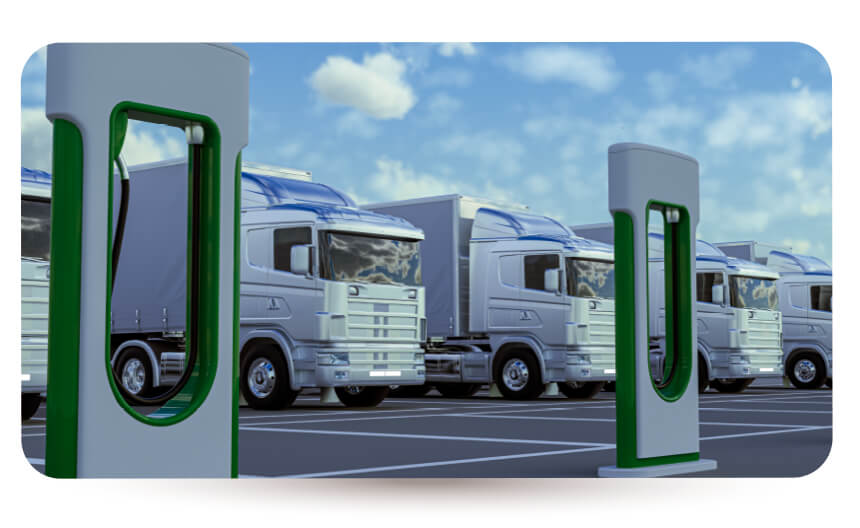
In 2026, businesses are under increasing pressure to control operating costs while also improving their sustainability and environmental performance. Fortunately, there are many practical ways to reduce fleet fuel costs without compromising productivity or customer service.
From encouraging more efficient driving habits and using telematics technology to improving vehicle maintenance and working with a specialist fleet insurance broker, businesses can make meaningful long-term savings by taking a more strategic approach to fleet management.
Why Reducing Fleet Fuel Costs Matters
Fuel costs have a direct impact on the overall cost of running a fleet. Even relatively small improvements in fuel efficiency can result in substantial annual savings when applied across multiple vehicles.
Reducing fuel consumption can lower operating costs, improve profit margins and reduce carbon emissions. It can also contribute to better vehicle performance, longer vehicle lifespans and greater overall fleet efficiency.
Businesses that actively monitor and manage fuel consumption are also likely to be better prepared for rising transport costs and increasingly demanding environmental standards.
Improve Driver Behaviour
Driving technique is one of the most significant factors affecting fuel consumption. Aggressive driving, including harsh braking, rapid acceleration and excessive speeding, can cause vehicles to use considerably more fuel.
Encouraging drivers to adopt smoother driving techniques can therefore have a noticeable impact on fuel efficiency. Drivers should be encouraged to accelerate gradually, maintain consistent speeds, anticipate traffic conditions and avoid unnecessary braking. Reducing excessive idling and using cruise control where appropriate can also help.
Eco-driving training can be a particularly effective way of changing driving habits. It can improve fuel economy while also contributing to safer driving and reduced vehicle wear and tear.
Make Better Use of Telematics
Modern telematics and fleet tracking technology give businesses much greater visibility over how their vehicles are being used.
Fleet management systems can monitor fuel consumption, driver behaviour, idling, speeding, route efficiency and vehicle diagnostics. This information allows fleet managers to identify areas where fuel is being wasted and take targeted action.
For example, if telematics data shows that certain vehicles are regularly idling for long periods or that particular drivers frequently accelerate or brake harshly, businesses can address these issues through driver feedback and training.
The benefits can extend beyond fuel savings. Telematics can also support preventative maintenance, improve fleet utilisation and reduce vehicle downtime.
Reduce Unnecessary Idling
Idling is an often-overlooked source of fuel consumption. Fleet vehicles can spend significant periods stationary while drivers are waiting for deliveries, loading or unloading goods, or waiting in traffic.
Introducing a clear anti-idling policy can help tackle this problem. Drivers should understand when engines should be switched off and why unnecessary idling affects both fuel costs and emissions.
Telematics systems can also provide alerts when vehicles are left idling for extended periods, giving fleet managers useful data for identifying recurring issues.
Optimise Routes and Scheduling
Poor route planning can result in unnecessary mileage, traffic delays and wasted fuel. Even if individual journeys only involve a few additional miles, the impact can become significant when multiplied across an entire fleet.
Route optimisation software can help businesses identify more efficient journeys, avoid congestion and improve delivery schedules. Better planning can also allow drivers to complete more jobs without significantly increasing mileage.
AI-powered route planning tools are becoming increasingly common in fleet operations in 2026. By combining traffic information, delivery requirements and vehicle availability, these systems can help businesses make more efficient use of their vehicles while reducing unnecessary fuel consumption.
Keep Vehicles Properly Maintained
Vehicle maintenance plays an important role in fuel efficiency. A poorly maintained vehicle is generally less efficient and may also be more likely to suffer breakdowns and expensive repairs.
Regular servicing and preventative maintenance can help keep vehicles operating efficiently. Tyre pressures should be checked regularly, while oil and filter changes, wheel alignment, brake inspections and air filter replacements should all form part of a suitable maintenance programme.
Tyres are particularly important. Underinflated tyres increase rolling resistance, which means the engine has to work harder and consume more fuel.
A well-maintained fleet can therefore deliver savings in several areas, from reduced fuel consumption and fewer breakdowns to lower repair costs and improved vehicle reliability.
Reduce Unnecessary Vehicle Weight
The more weight a vehicle carries, the more energy it requires to move. For businesses operating commercial vehicles, regularly reviewing what is being carried can therefore be a simple way to improve fuel efficiency.
Tools, equipment, stock and other items that are no longer required should be removed wherever possible. Businesses can also consider lightweight storage solutions and more efficient ways of managing vehicle inventory.
When vehicles are replaced, payload requirements should also be considered alongside fuel efficiency. Choosing a vehicle that is appropriately sized for its typical workload can help avoid carrying unnecessary weight and using more fuel than required.
Consider Electric and Hybrid Vehicles
Transitioning to electric or hybrid vehicles is another way businesses can reduce their reliance on traditional fuels.
Electric vans can eliminate petrol or diesel consumption altogether and may also offer lower maintenance costs and reduced emissions. They can be particularly attractive for businesses operating predictable local routes where charging infrastructure is readily available.
Hybrid vehicles can provide an alternative for businesses that are not yet ready to move entirely to electric vehicles. Although the initial investment can be higher, lower running costs may deliver savings over the vehicle's lifetime.
Businesses should assess factors such as mileage, charging requirements, vehicle utilisation and total ownership costs before deciding which technology is right for their fleet.
Monitor Fuel Purchasing
Fuel cards can make it easier for businesses to monitor and control fuel spending. They provide greater visibility over where, when and how much fuel is being purchased, while potentially providing access to discounted fuel rates.
Detailed fuel purchasing data can also help identify unusual spending patterns or discrepancies. When combined with telematics and vehicle mileage information, businesses can gain a clearer picture of fuel efficiency across the entire fleet.
This makes it easier to identify vehicles or driving patterns that may require further investigation.
Establish Smarter Fleet Policies
Technology and training are most effective when they are supported by clear company policies.
Businesses should establish straightforward guidelines covering areas such as speed, vehicle use, route planning, loading, idling and personal use of company vehicles. Employees are more likely to adopt fuel-efficient driving habits when they understand how their behaviour contributes to the wider financial and environmental performance of the business.
Creating a culture of fuel efficiency can therefore be just as important as investing in new technology.
Reduce Fleet Insurance Costs Through a Specialist Broker
While fuel is a major fleet expense, it is important not to overlook other areas where businesses can reduce operating costs. Fleet insurance can represent a significant proportion of the overall cost of running commercial vehicles.
Working with a specialist fleet insurance broker can help businesses review their cover, access a wider range of insurance options and identify opportunities to reduce premiums without leaving important areas of the fleet underinsured.
A specialist broker understands the risks associated with commercial fleets and can help businesses find cover that reflects their vehicles, drivers, operations and individual requirements.
They can also provide advice on risk management and recommend measures that may improve the fleet's overall insurance profile.
How Fleet Risk Management Can Reduce Insurance Costs
Many of the measures businesses introduce to improve fuel efficiency can also help reduce insurance risk.
For example, telematics can be used to monitor driver behaviour and identify potentially dangerous driving patterns. Driver training can reduce the likelihood of accidents, while dash cams and vehicle tracking technology can provide additional information when incidents or claims occur.
Regular vehicle maintenance can also improve safety and reliability, while better route planning may reduce exposure to high-risk driving conditions.
Specialist fleet insurance brokers can help businesses identify these risk-reduction measures and explain how they may affect their insurance arrangements. Insurers are generally more likely to look favourably on businesses that can demonstrate a proactive approach to driver safety and fleet risk management.
The Link Between Fuel Efficiency and Insurance
Fuel efficiency and insurance costs may appear to be separate issues, but there is considerable overlap between the two.
Smoother driving can reduce fuel consumption while also lowering accident risk. Telematics can provide information that helps improve driving behaviour while supporting insurance risk management. Regular vehicle maintenance can improve fuel efficiency while making vehicles safer and more reliable.
This means that a well-managed fleet can potentially achieve savings across several areas at the same time rather than treating fuel, maintenance and insurance as completely separate costs.
Review Vehicle Replacement Cycles
Older vehicles can be less fuel efficient and may require more frequent repairs and maintenance. Reviewing vehicle replacement cycles can therefore help businesses determine whether continuing to operate older vehicles remains cost-effective.
Modern commercial vehicles typically offer improvements in fuel economy, safety technology and emissions compared with older models. Replacing vehicles at the right point in their lifecycle can therefore help reduce running costs and improve reliability.
However, replacement decisions should be based on total operating costs rather than simply the age of a vehicle. Factors such as mileage, maintenance costs, fuel consumption, downtime and resale value should all be considered.
Building a more cost-effective fleet
Reducing fleet fuel costs requires more than simply finding cheaper fuel. Businesses can achieve greater savings by looking at the fleet as a whole and improving the way vehicles are driven, maintained and managed.
Driver training, telematics, route optimisation, preventative maintenance and effective fuel monitoring can all contribute to better fuel efficiency. For businesses considering longer-term changes, electric and hybrid vehicles may also provide opportunities to reduce running costs and emissions.
At the same time, fleet managers should consider other major operating expenses, including insurance. Working with a specialist fleet insurance broker can help businesses review their cover, strengthen risk management and identify potential opportunities to reduce insurance costs.
Ultimately, the businesses that take a proactive approach to fleet management are best placed to control costs. By combining fuel efficiency, driver safety, effective technology, preventative maintenance and smarter insurance management, businesses can build a more efficient and cost-effective fleet for the future.
Return to blog menuWant to find out more about Bluedrop's Fleet Insurance?
Call our friendly team now for the right insurance cover - at the best price
+441489780491
Calls recorded for training and quality.
 Privacy and Cookie Policy